

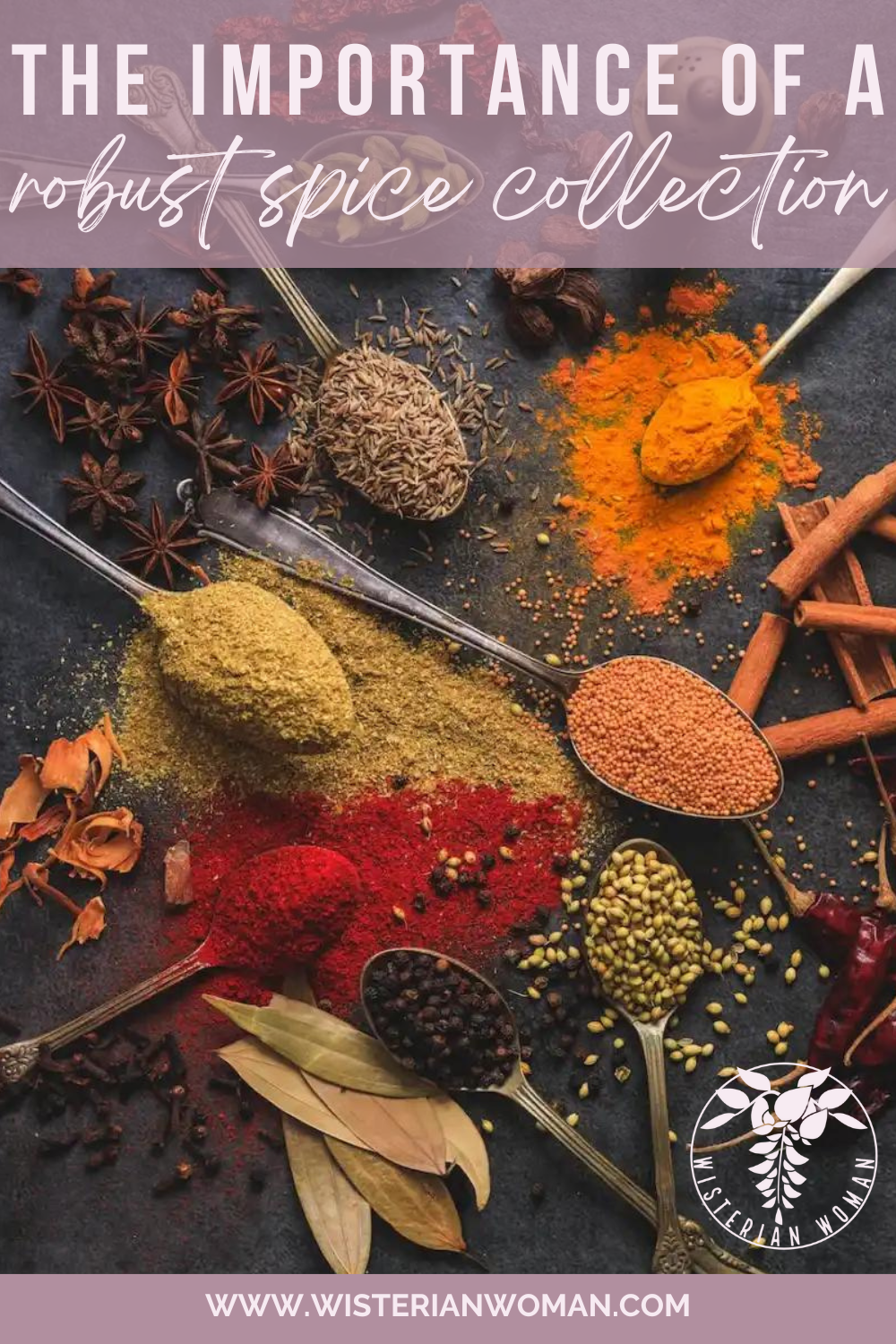
Very few things excite me more than finding a new flavor combination to love. Whether I’m travelling abroad, at the farmer’s market, or at my local supermarket, I am always on the lookout for new spices to add to my collection.
There is something truly magical about the way that spices can transform even the most ordinary dish into a masterpiece. Whether it’s adding a pinch of cumin to a pot of chili or a sprinkle of cinnamon to a bowl of oatmeal, the right blend of spices can elevate your meals to whole new heights and make something entirely new out of an overused recipe. That’s why it’s so important to have a robust spice collection in your kitchen.
a culinary passport
For one thing, having a diverse array of spices means that you can experiment with different flavor combinations and culinary traditions. You might try your hand at making an authentic Indian curry one night, and a Thai stir-fry the next. Or you could embrace the flavors of the Middle East with a za’atar-spiced roasted chicken, or travel to North Africa with a harissa-infused stew. With the right seasonings at your fingertips, the possibilities are endless.
Having a well-stocked spice collection can also take your cooking skills up a notch by allowing you to experiment with different flavor combinations. The level of your kitchen confidence is entirely based on your ability and willingness to wing it and figure out if it just needs a little bit of this, or a little bit of that. It’s the ultimate way to elevate your dishes to a whole new level and impress your guests.

a wellness secret
But it’s not just about cultural exploration. Having a wide range of seasonings also helps you to eat more healthily. By relying on herbs and spices to add flavor to your food, you can cut back on high-calorie sauces and seasonings that are packed with sodium, sugar, and fat. Additionally, you can use spices to take a seemingly boring health meal like chicken and broccoli and make it taste brand-new without adding any calories.
Plus, many herbs and spices are known for their health benefits. Turmeric, for example, is anti-inflammatory and antioxidant, while ginger can help soothe digestive issues. So by building up your spice collection, you’re not just adding flavor to your food – you’re also boosting your overall wellness.
Not to mention, by using up all of the spices in your pantry, you can minimize the likelihood of letting ingredients go stale or unused. The same rice in your pantry from the Spanish rice you had on Tuesday can be transformed into a Mediterranean-inspired dish on Thursday with the help of a few key ingredients.
Of course, this allows you to save money and reduce food waste. When you know how to make your own spice blends and rubs, you don’t need to rely on store-bought ready-meals or seasoning packets that often contain preservatives and fillers.
the essential spices
When it comes to building your spice collection, start with the basics like salt, black pepper, paprika, cumin, onion powder, and garlic powder. Then, make sure you have a good stock of dried herbs. Don’t forget about fresh herbs as well, which can be used fresh or dried depending on the recipe. Some of the most commonly used culinary herbs include parsley, thyme, rosemary, oregano, cilantro, and basil – all of which are absolutely essential. Then, some others you’ll see from time to time include dill, sage, bay, chives, lemongrass, fennel, and marjoram.
Some more unconventional things that I consider absolute necessities are different flavors of bouillon powder like chicken, beef, and vegetable. I do use broth whenever possible, but sometimes a delicate sauce needs a touch more of chicken flavor, but it has already thickened, so you wouldn’t want to add more broth. Or, maybe you’re using beef powder to season pork for a savory dish. This is one of my secrets to making the most flavorful meat, sauces, and soups.
When you’re first working on expanding your palate, I’d recommend finding popular spices and herbs from your own hereditary background and culture. It’s likely that you’re already more attuned to these flavors since your family and friends might have used these spices while you were growing up.
If you’re American like me, you’ll find that our common foods have a lot of Spanish and French influence, which makes sense when you think about our history of colonization. Creole Seasoning, Chili Powder, Montreal Steak, Old Bay, and Italian Seasoning are common spice blends you’ll find in most American pantries.
Then, gradually add in more unique blends like garam masala, za’atar, and berbere and less common spices like saffron and star anise. Your tastebuds might be averse to new spices at first; be willing to give yourself a chance to appreciate the new flavor. Of course, you might just not like something, and that’s okay. But what you don’t like on chicken could be your favorite flavor when added to beef. Browse different culinary traditions and recipes to learn what flavors are commonly used together.
Overall, there are countless reasons why it pays to have a spice collection. Having a well-stocked spice rack is key to achieving flavorful, healthy meals while also saving money and reducing food waste. Don’t be afraid to experiment with new blends and combinations and reap the delicious benefits.
The art of cooking is knowing which spices to add when, and how to balance savory with sweet, or sour with umami. It takes some time to develop this knowledge, but experimenting with new flavors and building your spice collection are the first steps.
-w.w.
more like this






Leave a Reply