

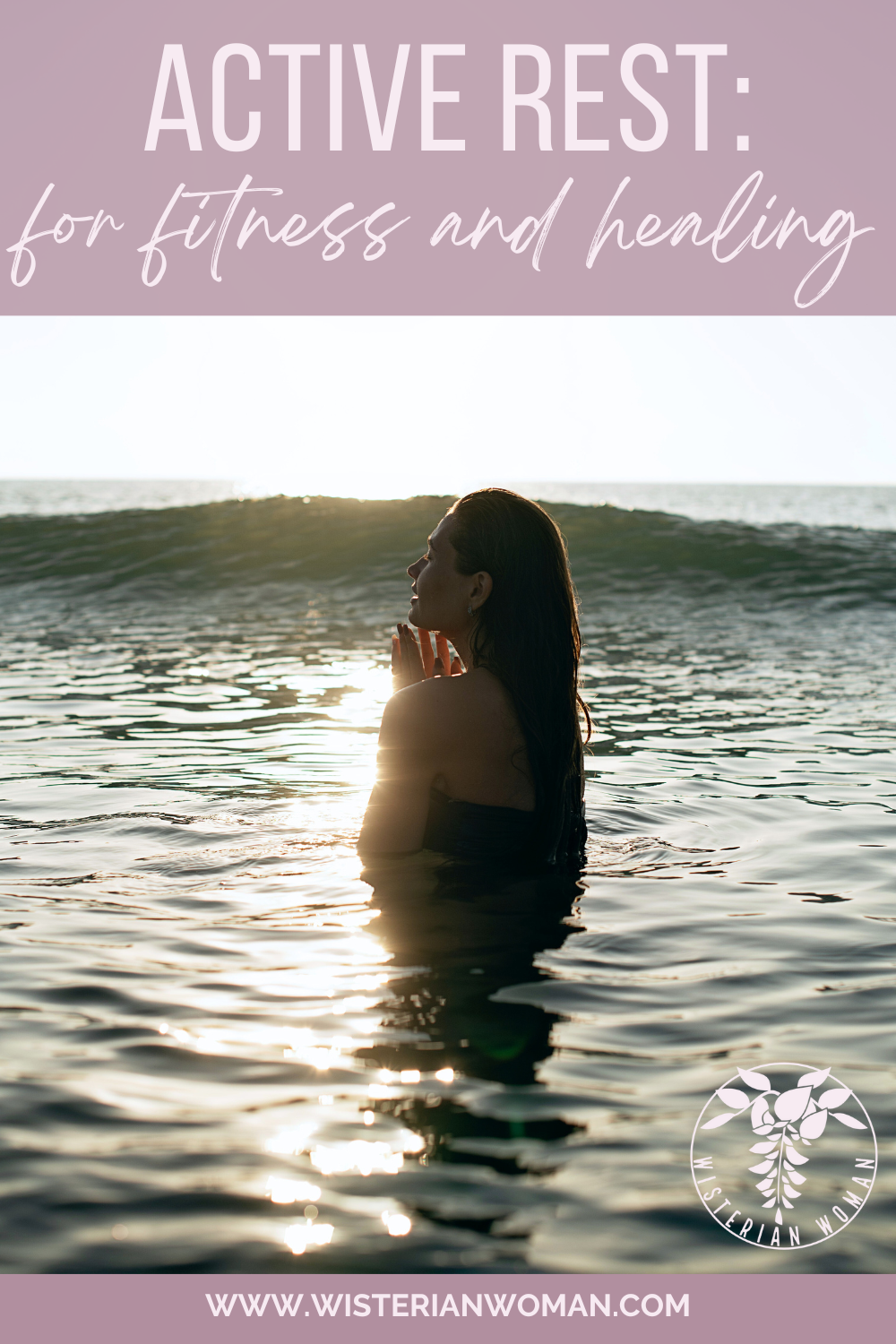
what is active rest?
So you finally did the darn thing and started your fitness regimen – congratulations! This is a serious challenge that takes a lot of motivation, willpower, and truly hard work to achieve. Maybe you’re even starting to look forward to your workout routine, and you’ve learned that consistency is key in maintaining your momentum. Now that you’ve gotten over the biggest hurdle of all, the next one involves finding a healthy balance of activity, challenge, rest, and recovery.
Perhaps you’ve been to the gym a few times already this week, your muscles are sore, and your body is tired. But you don’t want to break your winning streak and fall back into old sedentary patterns. That’s where active rest comes in.
Active rest refers to low-intensity, low-impact activities that help improve circulation, mobility, and flexibility while giving your muscles a break from high-intensity training. This can include activities like yoga, stretching, walking, swimming, or light cycling. The goal of active rest is to give the body time to recover from intense workouts while still maintaining an active lifestyle. By engaging in low-intensity activities, you can help speed up your body’s recovery process and get back to your regular workout routine feeling rested and re-energized.
By engaging in active recovery after an intense workout, you give your body the opportunity to repair and rebuild muscle tissue, reduce inflammation, and reduce the risk of injury. It also helps to relieve muscle soreness and stiffness, which can be a common side effect of exercise.
Active rest is an important part of any exercise routine, as it allows your muscles and body to recover from the stress of working out while still maintaining an active and healthy lifestyle. By incorporating low-intensity activities like stretching and yoga into your routine, you can speed up your body’s recovery process and get back to your regular workouts feeling rested and re-energized.

forms of active rest
Not only is active rest crucial for maintaining a sustainable workout routine and building muscle, it is also a great way to spend days of your menstrual cycle when you’re not feeling like intense cardio or weightlifting, but you still want to stay in a regular fitness routine. Here are a few of my favorite methods of active rest:
Yoga is an excellent form of active rest that improve flexibility, mobility, and balance. It also helps to reduce stress and anxiety. Unless you’re new to my blog, you’ll know I’ve been practicing yoga for years and will always tout it as an incredible way to improve physical, mental, and spiritual health.
- Walking at a leisurely pace can be an excellent form of active rest. You can do it anywhere and it can also be a great way to explore new places and get some fresh air.
- Swimming is a low-impact exercise that can provide a full-body workout while minimizing the impact on joints. It’s also a great way to cool down after an intense workout. I love going to the gym the day after a really difficult workout and floating, stretching, and swimming laps in the pool.
- Cycling at a low-intensity can be an excellent form of active rest that improves cardiovascular health, leg strength, and can be an excellent stress reliever.
- Stretching and foam rolling are simple and effective ways to improve circulation, reduce muscle tension, and increase flexibility.
- While it’s not physical exercise, meditation can be an excellent form of active rest that improves
These are just a few examples of active rest, there are many other activities that you can do to give your body and mind a break from high-intensity exercise while still maintaining an active lifestyle.
what if I don’t rest?
If you’re trying to reach a fitness goal, I understand the temptation to skip rest days and keep pushing yourself every single day. However, it’s equally important to give your body sufficient time to recover after exercise, especially after high-intensity workouts. Failing to take rest days or engaging in active rest can have serious negative consequences on your body and mind.
The potential negative consequences of working out too hard without active or passive rest days in between include:
- Increased risk of injury: Overuse injuries such as tendinitis or stress fractures can occur when the body is not given adequate time to recover. Pushing your body too hard without rest can lead to muscle fatigue, increasing the likelihood of injury.
- Muscle soreness and stiffness: Intense workouts cause micro-tears in the muscles, which can lead to delayed onset muscle soreness (DOMS). When rest days are not taken, the body does not have sufficient time to heal, leading to prolonged soreness and stiffness.
- Fatigue and exhaustion: When rest days are not taken, the body becomes fatigued due to insufficient time to recover. This can lead to exhaustion and decreased performance during workouts.
- Decreased muscle growth: Working out too hard without rest can negatively impact muscle growth. Adequate rest days are essential for the body to recover and repair itself, leading to increased muscle growth and strength.
- Increased stress levels: Intense workouts without rest days can lead to increased levels of cortisol, a hormone that is associated with stress. High cortisol levels can negatively impact sleep, mood, and immune function, among other things.
- Plateau in progress: When the body does not have time to adapt to workouts due to a lack of rest days, progress can plateau. This means that your strength, endurance, and overall fitness level will stop improving.

Passive rest is just as important as active rest when it comes to exercise and fitness. Giving the body sufficient time to recover and heal between workouts can help prevent injury, reduce muscle soreness, improve performance, and facilitate muscle growth. When the body is overworked without sufficient rest, it can lead to muscle fatigue, decreased performance, and even serious injury. Incorporating rest days into your workout routine allows the body to restore glycogen levels, repair muscle tissue, and build strength. This is essential for maintaining overall physical health and making progress towards your fitness goals.
Overall, rest days are essential for the body to recover and heal after intense workouts. Engaging in active or passive rest can help prevent injury, fatigue, and exhaustion, while facilitating muscle growth and improved overall fitness. It’s important to listen to your body and incorporate rest days into your fitness routine to ensure continued progress and avoid negative consequences.
active rest and mental health
Active rest not only benefits physical health but also has a positive impact on mental health and can help with trauma healing. Exercise and physical activity have been known to release endorphins which are natural mood-boosters and can help alleviate symptoms of depression, anxiety, and stress. Incorporating active rest into your workout routine can help you reap these benefits without putting additional stress on your body.
Additionally, low-intensity activities like yoga and stretching have been shown to reduce symptoms of PTSD in trauma survivors. These activities can help individuals who have experienced trauma to feel more grounded, relaxed, and present in their body. This can be especially helpful for those who have experienced trauma that has resulted in physical pain or tension.
Trauma can be physically and energetically stored in the body, especially in areas like the hips, lower back, and abdomen. When we experience trauma, chronic stress, and anxiety, our muscles tense themselves and clench. Over a long period of time, this tension becomes pronounced and begins manifesting other physical symptoms. By actively engaging these areas in exercise and allowing them to recover through rest, yoga, massage, acupuncture, and other means, we can release this stored energy and open up the pathway for healing.
Active rest can also help with emotional regulation and mindfulness, which are essential skills for managing symptoms of anxiety and depression. By focusing on your breath and engaging in gentle movements, you can quiet your mind, decrease intrusive thoughts, and cultivate a sense of calmness.
Finally, by engaging in active rest, you are taking a break from the stress and intensity of daily life and your regular workout routine. This can help you reduce stress levels, improve sleep quality, and increase overall feelings of wellness. Once you begin to manage your stress levels and allow your central nervous system to regulate itself, your truest self can begin to shine through.
-w.w.
more like this






Leave a Reply