

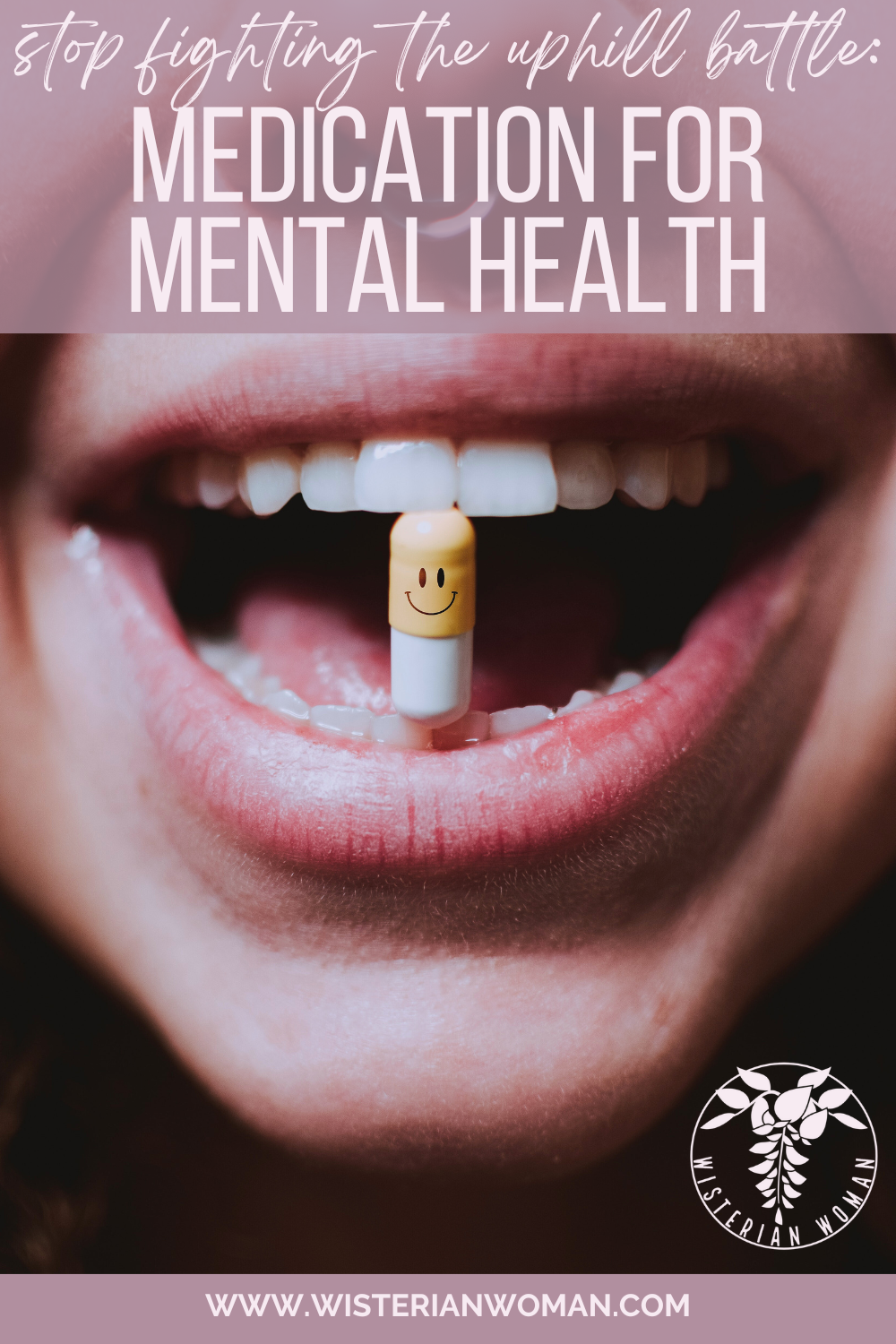
Note: The decision to medicate for mental health is a personal one that can change throughout one’s lifetime. Always work with a trained professional when deciding to start or stop taking any medications.
it doesn’t have to be this hard
My anxiety is like a leaky faucet. Every moment of every single day, sneaking suspicions, worst-case scenarios, and insecurities drip, drip, drip. I’ve tried it all. Therapy has taught me breathing exercises to use when I’m about to have a panic attack, and strategies to cope with my anxiety in everyday life. Mindfulness has taught me to separate myself from my thoughts and to try and observe them from a distance. Eating healthy and exercising helps soothe my nervous system, keeping me from spiraling out of control. But even so, the faucet drips, drips, drips.
Trying to conquer my anxiety is like rolling a boulder up a hill. No matter how hard I push, or how many tools I equip to help me get a little stronger, I am still rolling a boulder uphill. It’s exhausting. I’ve found myself waking up in the morning and needing to take a nap two hours in, hardly able to keep my body awake while the weight of my constantly spiraling mind is crushing it.
After trying for years to do everything right, to take care of myself so aggressively that I couldn’t possibly have any mental health struggles, it just wasn’t working. I needed help. I had been medicated before, and it didn’t do much for my racing thoughts. That medicine gave me a little more energy, and sometimes made me nauseous. I stopped taking it after a year.
But I needed to try again. There was nothing else I could do; I had tried everything. I was out of options. So I did some research, and advocated for my own health. I found out there were a few different kinds of medications used to treat anxiety, and I asked my doctor about a new kind. I started taking it, and within 48 hours, the faucet had stopped dripping.
I actually started sobbing when I realized this. In all my years until that point, my mind had never truly been quiet. There had been moments, deep into a yoga practice or after a really vigorous exercise where I’d caught a glimpse of what it might be like, but never like this.
For the first time, I have control over which thought came into my mind next. Rather than a scrambled, never-ending drain of half-baked emotions and fears, I have a calm and confident internal monologue. I understood what it was like to feel “normal” for the first time, and realized just how debilitating my anxiety truly was.
I will be the first to tell you just how much my wellness practices have impacted me for the better, but they can’t cure the chemical imbalance in my brain. Whether I was born with it or it manifested from my childhood trauma, it’s there, and I’ve accepted that it isn’t going away. And if, like me, you struggle with one or many of these chemical imbalances we call mental illness, I just want you to know it doesn’t have to be this hard.

to medicate or not to medicate?
It’s a question many of us face at some point in our lives. After all, it’s true that medication can come with plenty of side effects, and like me, you may struggle to find one that suits you. It’s true that the mental health industry is lacking, and I’ve found that most of my care has been up to me to seek out.
Many medical professionals including psychiatrists are trained to treat your symptoms and prescribe the most commonly used drugs because they come with less risk. When I was medicated for the first time at 18 years old, I wasn’t told what to expect. I was put on the standard, cookie-cutter antidepressant and told, “this should help.” And, when it didn’t, I thought there was no hope for me, and that medication was just another burden that wasn’t worth the time, money, and side effects. Maybe you’ve had a similar experience.
To ensure you are making the best choice for your health or that of your children, we will discuss common considerations and misconceptions surrounding medication and how to advocate for your health or that of others.
Medication for Mental Health: Exploring the Benefits, Considerations, and Personal Choice
When it comes to managing mental health, the decision to use medication can be a complex and personal one. It’s essential to understand the potential benefits, address concerns and misconceptions, emphasize individualized treatment, and explore how medication can be integrated with other therapeutic approaches. By exploring these aspects, you can make informed decisions about your mental health journey.
The Potential Benefits of Medication
Medication can offer significant benefits for individuals struggling with mental health conditions. It plays a crucial role in managing symptoms, improving daily functioning, and enhancing overall well-being. Here are some key benefits to consider:
Symptom Management: Medication can help alleviate symptoms associated with mental health conditions, such as anxiety, depression, or bipolar disorder. It can reduce the intensity and frequency of distressing symptoms, providing much-needed relief.
Improved Daily Functioning: By effectively managing symptoms, medication can enhance an individual’s ability to engage in daily activities, work, study, and maintain healthy relationships. It can restore a sense of stability and control over one’s life.
Enhanced Overall Well-being: When symptoms are better controlled, individuals may experience an improvement in their overall well-being. They may regain a sense of enjoyment, experience better sleep, and find it easier to engage in self-care practices.
Addressing Concerns and Misconceptions
It’s common to have concerns and misconceptions about medication for mental health. However, it’s important to recognize that everyone’s experience with medication is unique. Here are some common concerns and their corresponding clarifications:
Side Effects: While some medications may have side effects, not everyone experiences them. Furthermore, side effects can often be managed or minimized with the help of healthcare professionals. It’s crucial to weigh the potential benefits against the potential side effects on an individual basis. Many medications also only have side effects while your body is adjusting to them for the first few weeks or months. After that, they level out.
Dependency: Concerns about becoming dependent on medication are valid. However, it’s important to understand that dependence and addiction are different. In many cases, medication is used to restore balance and improve functioning, rather than create dependency. You should always work with your psychiatrist to develop a plan for managing this if you plan to stop using a medication.
Authenticity: Some individuals worry that medication may alter their personality or sense of self. However, medication aims to alleviate symptoms, allowing individuals to regain their authentic selves by reducing the burden of mental health challenges. I feel more myself than ever with a clear mind and thoughts that are in my control. This has allowed me to pursue more of the things I enjoy in life, like my art, time with friends and family, and this blog!
Natural/Alternative Medicine: Some individuals may have concerns or preferences for natural or alternative approaches to mental health treatment. It’s important to acknowledge these perspectives while providing balanced information:
Natural Supplements and Herbal Remedies: Many natural supplements and herbal remedies are marketed as alternatives to prescription medication. While some individuals may find them helpful, it’s crucial to approach them with caution. Natural supplements and herbs can interact with medications or have their own side effects. Consulting with a healthcare professional or a qualified herbalist is essential before incorporating these into a treatment plan.
- Mind-Body Practices: Mind-body practices such as yoga, meditation, acupuncture, or aromatherapy are often used as complementary approaches to mental health treatment. While these practices can provide relaxation and stress reduction benefits, they may not be sufficient as standalone treatments for moderate to severe mental health conditions. It’s important to view them as supportive strategies that can be used alongside medication and therapy.
- Holistic Approaches: I’m a huge advocate for a holistic approach to mental health, which encompasses multiple aspects of well-being, including nutrition, exercise, and lifestyle modifications. While these practices promote overall wellness, it’s essential to recognize that they may not address the underlying chemical imbalances or physiological factors that contribute to mental health conditions. Integrating holistic practices with evidence-based treatments like medication and therapy can provide a more comprehensive approach to mental health care.
- Open Communication with Healthcare Professionals: Whether choosing medication or exploring natural/alternative approaches, open and honest communication with healthcare professionals is crucial. They can provide guidance, evaluate potential interactions or contraindications, and help individuals make informed decisions that align with their values and treatment goals.
Everyone is Unique: The Importance of Individualized Treatment
Every individual’s journey with mental health is unique, and the same applies to medication. Individualized treatment plans are crucial to ensuring optimal outcomes. Here’s why personalized treatment is essential:
Collaborative Decision-Making: Involving healthcare professionals in the decision-making process allows for a comprehensive evaluation of an individual’s unique circumstances. They consider factors such as medical history, specific symptoms, and lifestyle to determine the most appropriate medication options.
Finding the Right Fit: Medication effectiveness can vary from person to person. Through personalized treatment, healthcare professionals can help individuals navigate the trial-and-error process to find the medication that works best for them. Regular follow-up appointments and open communication are key to adjusting the treatment plan as needed.
Integrating Medication with Other Treatments: Medication is often not the sole treatment approach for mental health conditions. It can be integrated with other therapeutic approaches to achieve comprehensive care. Here’s how medication can complement other treatments:
- Counseling and Therapy: Medication can be used in conjunction with counseling or therapy to address underlying emotional or psychological factors. It can enhance the benefits of talk therapy by reducing symptoms that may hinder progress.
- Lifestyle Changes: Medication can support individuals in making positive lifestyle changes, such as improving sleep patterns, increasing physical activity, or adopting healthier coping mechanisms. These changes, combined with medication, can contribute to better mental well-being.
- Self-Care Practices: Medication can provide individuals with the stability needed to engage in self-care practices effectively. This might include activities like mindfulness, relaxation exercises, or pursuing hobbies that promote mental and emotional well-being.
When considering medication for mental health, it’s essential to weigh the potential benefits, address concerns and misconceptions, emphasize individualized treatment, and explore integrative approaches. The decision to use medication should be made in consultation with healthcare professionals who can provide guidance, monitor progress, and ensure the best possible outcomes. Remember, everyone’s mental health journey is unique, and finding the right balance of treatments is key to achieving well-being.

how to advocate for yourself or your family
Since your doctor is unlikely to advocate for you throughout the process of seeking medication, you need to do it yourself. Luckily, we live in a day and age where medical information is widely available to the public. While it is your doctor’s job to ultimately write the prescription and decide which diagnosis, drug, and dose you will be given, it is your job to learn to accurately describe your symptoms and ask about all your options.
Taking an active role in mental health treatment is vital for advocating for yourself or your family’s well-being. By being proactive and engaged, you can contribute to informed decision-making and personalized care. In this section, we’ll discuss some key strategies to help you advocate effectively.
Educate Yourself
Empower yourself by researching mental health conditions, treatment options, and medications. Reliable sources, such as reputable medical websites or guidance from mental health professionals, can provide valuable information. By educating yourself, you’ll gain a better understanding of the available options and be better equipped to engage in discussions with healthcare providers.
- Track and Describe Symptoms: Keeping a symptom journal is a valuable tool to accurately describe your experiences. I urge you to document the frequency, intensity, and duration of symptoms, along with any observed triggers or patterns. This detailed information helps healthcare providers make accurate diagnoses and develop appropriate treatment plans.
- Communicate Openly: Open and honest communication with your doctor is key to effective self-advocacy. Don’t hesitate to share your concerns, ask questions, and actively participate in treatment decisions. Remember, your doctor relies on your input to understand your unique experience. Express your goals, preferences, and treatment expectations to ensure a tailored plan that meets your specific needs.
Explore All of Your Options
Don’t be afraid to inquire about different medication options and treatment approaches. Discuss potential side effects, benefits, and alternative treatments with your healthcare providers. Finding the right medication can involve some trial and error, so be patient and persistent. Recognize the significance of personalized treatment plans and be open to exploring various possibilities.
When it comes to the treatment of depression and anxiety, selective serotonin reuptake inhibitors (SSRIs) are commonly prescribed. Similarly, for attention deficit hyperactivity disorder (ADHD), amphetamines are often the go-to choice. However, it’s important to note that there are viable alternatives worth considering, such as serotonin-norepinephrine reuptake inhibitors (SNRIs). My doctor didn’t tell me this; I had to learn it on my own. Here are some common mental health disorders, their commonly prescribed types of medication, and potential alternatives:
- Depression, Anxiety, and PTSD: While SSRIs are commonly prescribed for depression, anxiety, and PTSD due to their effectiveness in many cases, SNRIs are another class of medications that can be explored. SNRIs work by increasing the levels of both serotonin and norepinephrine in the brain. This dual action can provide additional benefits and may be a better fit for some individuals, especially those who don’t respond optimally to SSRIs or experience specific symptoms like low energy or impaired concentration.
- ADHD: While amphetamines, such as Adderall or Vyvanse, are frequently prescribed for ADHD due to their stimulant properties, there are alternative options available. For individuals who may not tolerate or respond well to amphetamines, non-stimulant medications like SSRIs and SNRIs can be considered. These medications can help manage ADHD symptoms by modulating the levels of serotonin and norepinephrine and, in some cases, have been found to improve both attention and mood.
- Bipolar Disorder: Lithium is a well-known mood stabilizer commonly used in treating bipolar disorder. However, alternatives like anticonvulsant medications (e.g., valproate, lamotrigine) can be explored depending on the individual’s specific symptoms and treatment response.
- Obsessive-Compulsive Disorder (OCD): SSRIs are commonly prescribed for OCD treatment. However, alternatives like clomipramine, a tricyclic antidepressant, may be considered for individuals who do not respond optimally to SSRIs or have specific symptoms.
- Panic Disorder: Benzodiazepines are commonly prescribed for acute relief of panic symptoms. However, alternatives like selective serotonin reuptake inhibitors (SSRIs), selective norepinephrine reuptake inhibitors (SNRIs), or certain tricyclic antidepressants can be explored for long-term management and prevention of panic attacks.
It’s important to note that the choice of medication depends on various factors, including the individual’s specific symptoms, treatment history, potential side effects, and response to different medications. Collaborating with healthcare professionals, such as psychiatrists or specialized mental health providers, is crucial in determining the most appropriate medication options for each individual’s unique circumstances.
To properly advocate for yourself, you must have open and honest discussions with your healthcare provider about the available options for your specific condition. Factors such as your medical history, symptom profile, and individual response to medications should be taken into account. Collaborating with your healthcare provider can help identify the most suitable treatment approach that aligns with your unique needs and goals.
Remember, finding the right medication often involves a trial-and-error process, and individual responses can vary. Regular follow-up appointments and ongoing communication with your healthcare provider are crucial to fine-tune your treatment plan and ensure its effectiveness.
Consider Seeking a Second Opinion: If you find yourself uncertain about a particular diagnosis or treatment plan, seeking a second opinion is a valid choice. Consulting another qualified healthcare professional can offer fresh perspectives and alternative treatment options. Obtaining a second opinion can provide reassurance and ensure that you make well-informed decisions regarding your mental health or that of your family members.
Empowering yourself as an advocate for your own mental health treatment is a transformative step toward receiving the best care. By educating yourself, tracking symptoms, communicating openly, exploring all options, and considering second opinions, you actively contribute to personalized and effective treatment plans. Remember, your voice matters, and by collaborating with healthcare professionals, you can achieve the best possible mental well-being for yourself or your loved ones.

closing thoughts and considerations
For years, I believed that if I did everything right, took care of myself meticulously, my mental health struggles would disappear. But it wasn’t working. I reached a point where I had to acknowledge that I needed help. I had tried medication before, but it didn’t provide the relief I sought. It gave me some energy, but the racing thoughts persisted, and the side effects made it hard to continue.
However, I knew I couldn’t give up. I did my research and took charge of my own health. I discovered that there were alternative medications used to treat anxiety, such as SNRIs. With this newfound knowledge, I approached my doctor and discussed the possibility of trying a different medication. Within 48 hours of starting the new medication, I experienced something remarkable—the never-ending stream of anxious thoughts finally cam to a standstill.
I want you to know that my journey with wellness practices, such as therapy, mindfulness, and healthy habits, has undeniably had a positive impact on my life. They are valuable tools for self-care and managing mental health. However, they couldn’t address the chemical imbalance in my brain.
The decision to medicate or not is deeply personal and complex. Medication does come with potential side effects, and finding the right one can be a challenge. The mental health industry often falls short, leaving us to navigate our own care. I, too, had a disappointing experience when I was younger, prescribed a standard antidepressant without much guidance or understanding.
To ensure the best choice for your health or that of your family, education is essential. Educate yourself about mental health conditions, treatment options, and medications from reliable sources. Keep track of your symptoms and communicate openly with your doctor. Don’t hesitate to ask questions, voice your concerns, and actively participate in the decision-making process. Remember, you are your best advocate.
In the end, it’s about finding what works best for you. Each person’s journey is unique, and medication is just one piece of the puzzle. Integrating medication with other treatments, such as therapy, lifestyle changes, and self-care practices, can create a comprehensive approach to mental health.
Remember, your mental health matters, and you deserve the best care possible. Advocate for yourself or your family by educating yourself, tracking symptoms, communicating openly, exploring all options, and seeking second opinions when needed. Empower yourself with knowledge and be an active participant in your mental health journey. It may not be an easy path, but with perseverance and the right support, you can find the relief and well-being you deserve.

more like this






Leave a Reply