

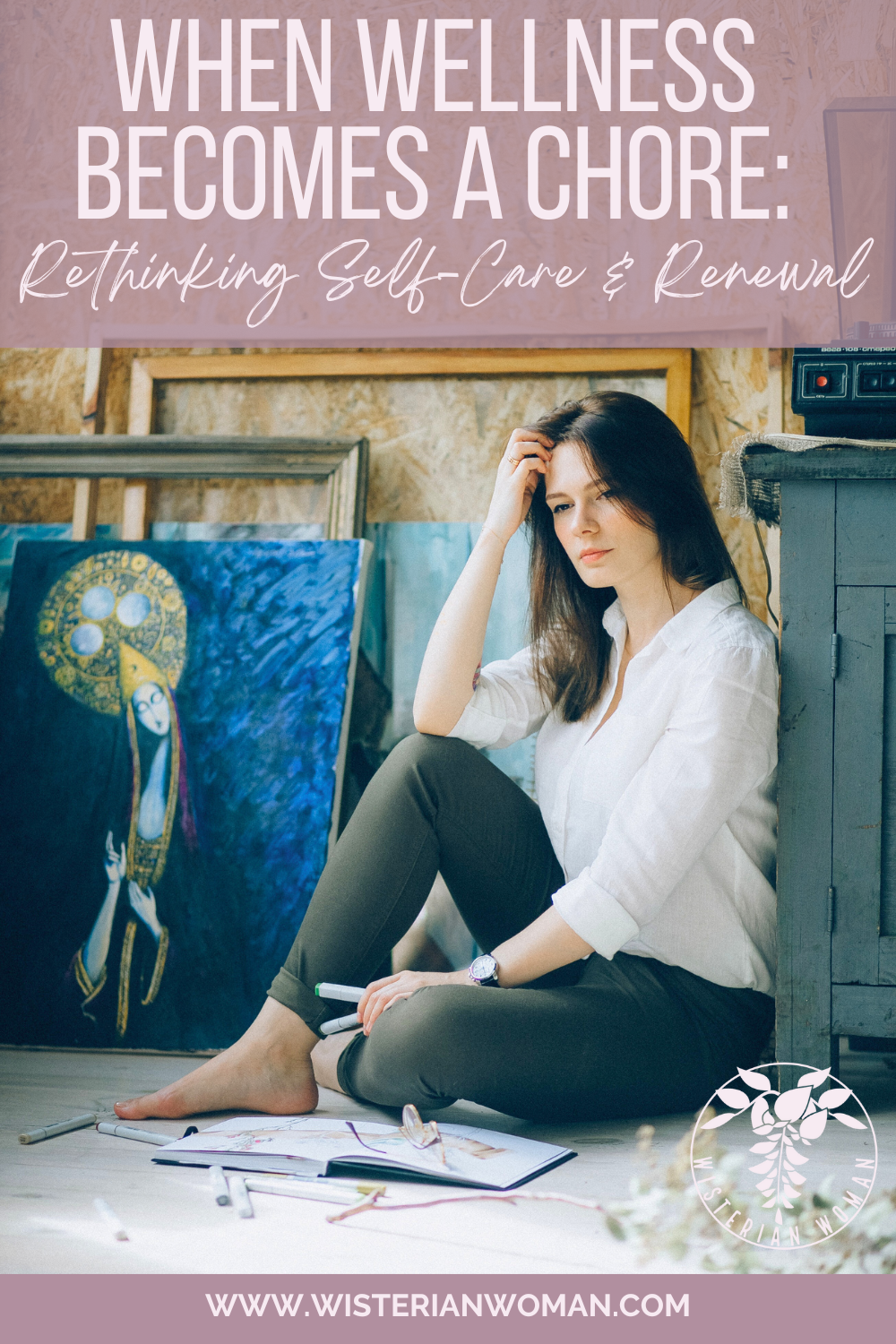
I spend a lot of time talking and thinking about wellness. But truthfully, I’ve been really burnt out lately. Between my regular 9-5, writing for my blog, and managing an endless stream of social media content, I haven’t had much energy for anything else. After all, I’m writing about how we should all keep a journal, or drink more water, or eat healthy, whole foods, when lately I’ve been indulging in leisure and convenience. And the truth is, there’s nothing wrong with that.
I’m sure you’re juggling a million things, too. Maybe you have young kids, or you’re in college, or going through a breakup. Whatever it is, life always seems to be full of the things that just drain us. Especially when, like myself, you struggle with a mental illness or two (or three or four or five…). We might find ourselves saying, “as soon as I’m done with this, I can focus on myself and my wellness.” I made that mistake in college.
We need to focus on our health and wellness now, and always. And unfortunately, that isn’t always an easy thing to do. After all, when you have a mile-long list of things to do, how can you add something like meditation or cooking a 10-step gourmet meal to the list?
The truth is, putting time and attention towards your health and wellness will make all the other things on your to-do list easier. When we take the time to decompress, nurture ourselves, and express ourselves fully, we find a renewed source of energy.
Have you ever just done nothing for a whole day, or a whole weekend? Pants off, in front of the TV, eating chips, and ordering takeout? Did you feel well-rested and rejuvenated after that? I would guess probably not. You might have even felt more tired, more drained, and less yourself than before. That’s because our energy doesn’t get restored by simply doing nothing (although we do need proper rest); it gets restored by doing things that light a fire within us, and encourage us to keep going.
Today, we’ll talk more about how to keep health and wellness from feeling like a chore, and how to find a renewed source of energy from taking care of yourself, too.

Rediscovering the Joy of Wellness: Moving Beyond the To-Do List Mentality
Sometimes it seems like we’re supposed to thrive on constant productivity and an endless to-do list. As a result, prioritizing our health and wellness can often feel like just another task to check off. The pressure to juggle multiple responsibilities while maintaining our well-being can be overwhelming. But what if we could shift our perspective and embrace wellness as a source of joy and rejuvenation, rather than a burden? Let’s explore how to break free from the cycle of treating wellness as a chore and discover the profound energy that self-care can infuse into our lives.
Recognizing the Burnout and Seeking Balance
The first step towards a joyful approach to wellness is acknowledging the burnout and fatigue that can result from relentlessly pursuing productivity without mindful self-care. Many of us lead lives filled with obligations, deadlines, and external expectations, often leaving us feeling drained and disconnected. It’s essential to recognize that taking care of ourselves isn’t selfish—it’s a necessary act of self-preservation that ultimately allows us to thrive in all areas of life.
Burnout is a state of emotional, mental, and physical exhaustion that results from prolonged stress, excessive workload, and a lack of adequate self-care. It can affect anyone, from students and professionals to parents and caregivers. Recognizing the signs of burnout is essential for taking proactive steps to address it and prevent further depletion of your well-being. Here are some common signs to watch out for:
- 1. Physical and Emotional Exhaustion: You constantly feel drained, both physically and emotionally. Even getting out of bed feels like an overwhelming task.
- 2. Decreased Performance: You find it challenging to concentrate, complete tasks, or meet deadlines. Your productivity and efficiency have significantly declined.
- 3. Detachment and Cynicism: You feel detached from your work or daily responsibilities. You might develop a cynical attitude, distancing yourself from colleagues, friends, or loved ones.
- 4. Lack of Motivation: Activities you used to enjoy no longer hold the same appeal. Hobbies, social gatherings, or personal interests seem uninteresting or burdensome.
- 5. Increased Irritability: You find yourself easily frustrated, agitated, or irritated by minor inconveniences that wouldn’t have bothered you before.
- 6. Physical Symptoms: Burnout can manifest in physical symptoms like headaches, stomachaches, fatigue, and sleep disturbances.
- 7. Neglected Self-Care: You’ve stopped prioritizing self-care activities like exercise, healthy eating, and proper sleep. Taking care of yourself feels like an afterthought.
- 8. Feelings of Ineffectiveness: You doubt your abilities and feel like you’re failing at your responsibilities, despite evidence to the contrary.
- 9. Reduced Empathy: Your ability to empathize with others diminishes, and you may struggle to connect emotionally with friends, family, or colleagues.
- 10. Persistent Stress: A sense of chronic stress hangs over you, even when you’re not actively engaged in work or responsibilities.
- 11. Increased Absenteeism: You might find excuses to avoid work, school, or social gatherings due to feelings of overwhelm and exhaustion.
- 12. Physical Health Decline: Burnout can lead to weakened immune system function, increased susceptibility to illness, and a decline in overall physical health.
- 13. Changes in Sleep Patterns: You might experience insomnia or oversleeping due to disrupted sleep patterns caused by stress and anxiety.
- 14. Loss of Enjoyment: Activities that used to bring joy now seem unfulfilling, and you struggle to experience pleasure from them.
- 15. Pessimistic Outlook: Your perspective becomes increasingly negative, and you might adopt a pessimistic view of your future or life in general.
- 16. Reduced Confidence: Burnout can erode your self-esteem and confidence in your abilities, leading to feelings of inadequacy.
If you notice several of these signs in yourself, it’s important to prioritize self-care, seek support, and consider making adjustments to your routine or workload. Burnout is a serious condition that can have significant impacts on your mental, emotional, and physical health. Taking steps to address it can lead to improved well-being and a healthier, more balanced life.

Wellness as a Source of Renewal, Not Exhaustion
It’s easy to slip into the trap of thinking that rest means lying on the couch or indulging in convenience foods. However, these activities often leave us feeling more lethargic and unfulfilled than before. Genuine restoration and renewal come from engaging in activities that align with our passions, ignite our creativity, and fill us with a sense of purpose.
Think about the last time you pursued an activity that brought you joy, whether it was painting, dancing, hiking, or simply spending quality time with loved ones. Chances are, you felt invigorated and revitalized afterward. These moments of genuine engagement infuse us with energy that radiates beyond the activity itself, making every other task on our to-do list feel more manageable.
Wellness defies a uniform template; it hinges on adapting self-care practices to suit your individual inclinations and requirements. The essence lies in integrating activities that set your spirit ablaze, whether through mindfulness exercises, creative endeavors, or communing with nature. By approaching self-care with purpose and authenticity, it ceases to be an extraneous obligation and becomes an inseparable facet of your everyday existence.
Nurturing a harmonious relationship with self-care necessitates a shift from viewing it as a chore to embracing it as a celebration of self. Instead of considering wellness as a series of obligatory actions, reconceptualize it as an opportunity to engage with your core, explore your interests, and rejuvenate your inner resources.
Start by incorporating modest instances of self-care throughout your day. These could comprise moments of deep breathing, leisurely strolls amidst nature during breaks, or dedicating intervals to indulge in a creative passion. By infusing your routine with these pockets of happiness, you organically transform self-care into an uplifting and intrinsic aspect of your life.
Wellness is not a one-size-fits-all concept. It’s about tailoring self-care practices to your unique preferences and needs. The key is to incorporate activities that light up your soul. When you approach self-care with intention and authenticity, it becomes an integral part of your daily life, rather than an additional burden.
Fostering a Positive Relationship with Self-Care
Shifting from a chore-based mentality to a joyful approach requires fostering a positive relationship with self-care. Instead of viewing wellness as something you have to do, reframe it as something you get to do. Embrace self-care as an opportunity to connect with yourself, explore your passions, and recharge your energy.
Consider starting small by integrating brief moments of self-care throughout your day. It could be as simple as taking a few minutes to practice deep breathing, going for a walk in nature during your lunch break, or dedicating time to engage in a creative hobby you love. By infusing your routine with these pockets of joy, you’ll find that self-care becomes a natural and uplifting part of your life.
Reframing Wellness: From Obligation to Privilege
Start by altering your perspective on self-care. Shift from the mindset of “I have to” to one of “I get to.” By recognizing self-care as a privilege rather than a burden, you inherently infuse it with positivity. This simple cognitive shift has the power to reshape your relationship with wellness, making it an experience you eagerly anticipate.
Embrace self-care as an avenue for fostering a profound connection with yourself. See it as an opportunity to explore your inner landscape, to understand your needs, and to replenish your emotional reserves. Consider self-care as more than a routine; it’s a gateway to rediscovering your passions, desires, and the things that light up your soul.
Recharging Through Joyful Moments
Finding a joyful approach to self-care doesn’t necessitate dramatic overhauls of your routine. Instead, it’s about infusing your daily life with small, meaningful moments that uplift your spirit. Commence by incorporating snippets of self-care into your schedule. These moments can be as brief as a few minutes of deep breathing in the morning, a leisurely stroll in the park during your lunch break, or dedicating time to engage in a creative pursuit you adore.
As you sprinkle these moments of joy throughout your day, you’ll notice a natural integration of self-care into your life. The separation between self-care and your daily activities dissolves, and instead, they coalesce seamlessly. The act of pausing to breathe deeply becomes as integral to your day as sipping your morning coffee. The result is a sense of harmony and equilibrium, where self-care doesn’t feel like a chore but an organic and uplifting component of your routine.
By fostering a positive relationship with self-care, you grant yourself the liberty to revel in the activities that reinvigorate your spirit. This shift in perception brings self-care from the periphery to the center stage of your life, enhancing your overall well-being and encouraging a sustained commitment to nurturing your holistic health.
Cultivating Sustainable Habits
Approaching wellness with joy doesn’t mean ignoring practical aspects of self-care, such as maintaining a balanced diet, getting enough sleep, or engaging in regular physical activity. Instead, it’s about finding ways to infuse these habits with enthusiasm and intention. Discover recipes that excite your taste buds, make exercise enjoyable by choosing activities you love, and create a bedtime routine that feels like a pampering ritual.
Choosing a joyful path toward wellness doesn’t advocate for neglecting practical aspects of self-care; rather, it involves infusing these essential components with enthusiasm and purpose. Striking a harmonious balance between the practical and the pleasurable transforms routine habits into gratifying rituals that contribute to your overall well-being.
Elevating Practical Self-Care
Embrace practical self-care not as a mere obligation, but as an opportunity for self-improvement and nourishment. Approach each facet of wellness with intention, understanding that by prioritizing these foundational habits, you are laying the groundwork for a vibrant and fulfilling life. For instance:
1. Balanced Diet: Instead of perceiving healthy eating as a chore, explore recipes and culinary creations that excite your taste buds. Discover new flavors, experiment with nutrient-rich ingredients, and savor the process of crafting nourishing meals that are a treat for your senses. For those takeout days, do some extra research into restaurants in your area that use whole foods and nourishing recipes.
2. Exercise: Make physical activity enjoyable by selecting forms of exercise that resonate with you. Whether it’s dancing, hiking, yoga, or playing a sport, choose activities that not only enhance your physical well-being but also bring you joy and satisfaction. When it comes to exercise, be sure you’re incorporating movement that you enjoy, and not just the latest fad that you saw on Tiktok or whatever your friend said helped her lose 20 pounds. This will ensure that exercise feels like a fun activity to work towards your goals, and not just a chore that you’d rather skip today.
3. Sleep: Create a bedtime routine that feels indulgent and restorative. Incorporate relaxation techniques, soothing scents, and calming activities that signal to your body that it’s time to unwind and rejuvenate.
Infusing Enthusiasm into Everyday Habits
By infusing enthusiasm into these practical habits, you’re more likely to sustain them as integral parts of your lifestyle. The shift from seeing them as chores to embracing them as opportunities for growth and well-being imbues your actions with positive energy. Over time, these habits cease to be a burden and become cherished rituals that contribute to your overall sense of fulfillment.
The Ripple Effect
When you prioritize your wellness and infuse self-care with delight, you not only benefit yourself, but you create a ripple effect that extends outward, touching the lives of those around you.
1. Inspiration to Others: Your renewed energy, positivity, and vitality act as an inspiration for others to embark on their own wellness journeys. By witnessing your commitment to self-care, those around you may be encouraged to prioritize their well-being as well.
2. Cultivating a Culture of Wellness: Your joyful approach to self-care contributes to the creation of a culture that celebrates wellness. As you share your experiences and insights with friends, family, and peers, you foster an environment where well-being is valued and nurtured.
3. Amplifying Positive Energy: The positive energy you radiate has the potential to uplift the mood and outlook of those you interact with. Your vibrancy can turn ordinary encounters into meaningful connections, infusing positivity into daily interactions.
Ultimately, embracing a joyful approach to wellness not only enhances your personal experience but also creates a ripple effect that elevates the well-being of your community. By prioritizing your own self-care and sharing the joys of holistic health, you contribute to a collective consciousness that values and celebrates the beauty of nurturing the mind, body, and soul.

Conclusion: The Transformative Power of Joyful Wellness
Ultimately, embracing wellness as a joyful liberation leads us toward a life that’s vibrant, fulfilling, and interconnected. By shedding the notion of wellness as a mere obligation and embracing it as a source of happiness, we not only transform our own lives but also create a positive impact on the world around us. Let us move forward with the understanding that self-care is not just a task, but a celebration of our inherent worth and a pathway to a more vibrant and harmonious existence.
Wellness isn’t just another box to check on your to-do list; it’s a path to rediscovering your authentic self, reigniting your passions, and fueling your inner fire. By shifting your perspective and approaching self-care with joy, you’ll find that taking care of yourself becomes a source of empowerment, vitality, and resilience. Remember, the journey to wellness is about cultivating a harmonious relationship between your physical, emotional, and spiritual well-being. As you continue on this journey, allow joy to guide you and let your well-being flourish in its light.

more like this





Leave a Reply