

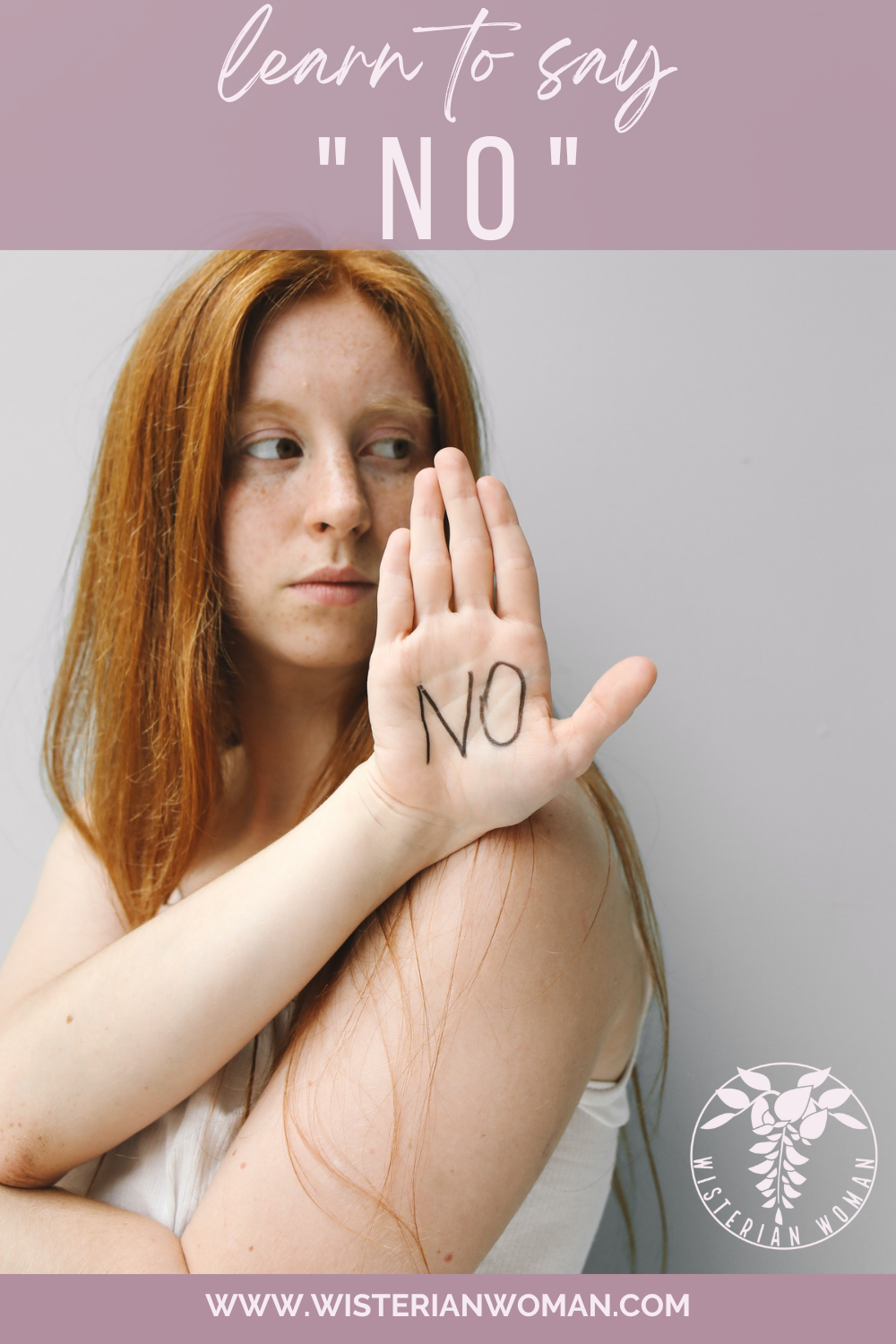
how will anyone know what you want if you never tell them?
I’ve spent a lot of my life wishing other people could read my mind. If they really knew me, they would know what I want. Right?
Wrong! In fact nothing could be further than the truth. Sometimes the people who know you best are the ones who make the most assumptions about you, especially if, like me, you have a history of codependency and people-pleasing. Instead, they think, “Oh, she’s always been okay with this, so why should it be a problem now?” or “If I tell her yes but make sure she knows I’m unhappy about it, she’ll bend over backwards to make it right.”
Stop. Doing. That. And stop doing it to other people, too! If your partner asks you if you really want to see that new Fast & Furious movie, don’t say yes and then complain the whole time about the traffic, the seats, the popcorn, and the tall person in front of you when you know what it’s really about — the fact that you have absolutely no interest in seeing the Fast & Furious movie. You know he’d have more fun with one of his guy friends anyways, right?
Don’t get me wrong, that doesn’t mean we should never do anything we don’t want to do for the people we love. Of course, that’s part of community and giving/receiving support.
If your best friend needs your help moving, you’re gonna do absolutely everything in your power to be there. Unless you’re getting surgery that week or you already told your other friend that you’d help them move the day before.
If your partner is dealing with a stressful situation at work, you should absolutely drop what you’re doing to listen, offer emotional support, and give advice if they’re looking for it. Unless you just got fired from your job, or you’re grieving the loss of someone.
If your sister just got dumped by her boyfriend and wants to go out and drink about it, you’ll put on your cutest outfit and the first round is on you. Unless you have to give a work presentation at 8am or you recently decided to stay sober.
Are you picking up on what I’m trying to say? Allow me to communicate clearly, the way you should start practicing:
don’t do anything for anyone that is going to cause you to feel resentment towards them.
Doing something “for someone” and then being upset with or passive aggressive towards them over it isn’t doing them, or you, any favors. It isn’t being polite, or accommodating; it’s damaging your relationship and deteriorating your self-esteem. It’s being a martyr.
Saying yes when you really mean no can lead to resentment and passive-aggressive behavior towards the other person. It’s not healthy for either of you or your relationship. Learning to say no and standing by your boundaries can actually strengthen your relationships and improve your self-esteem, even if it feels difficult or scary when you’re first shifting that mindset.
don’t do anything to take care of another adult if you are currently struggling to take care of yourself.
Saying yes when you really mean “no,” means that what you want doesn’t matter. It means that your preferences, desires, likes, and dislikes are secondary to those around you. Your feelings, your needs, and your priorities are just as important as everyone else’s, and they should be the most important to you.
Knowing when to say no is crucial for maintaining a healthy and balanced life. As much as we want to help others, we also need to prioritize our own well-being. Saying no can be difficult, especially if you’re used to saying yes all the time, but it’s necessary for setting boundaries and establishing a strong sense of self-love. One of the most important times to say no is when you’re already struggling to take care of yourself. It’s hard to help others when you’re not in a good place mentally, emotionally, or physically. You can’t pour from an empty cup.
don’t do anything to help someone else if it goes against your values, goals, or morals.
It’s also important to say no if doing something for someone else goes against your values or morals. You don’t want to compromise your beliefs for the sake of someone else’s happiness. It’s better to be true to yourself than to please others at your own expense.
We also can’t expect that the lifestyles of our friends and families align perfectly with ours. Maybe your friends want to go out on a Thursday night because it’s karaoke night at their favorite spot, but you have to work at 7am the next day. Or, maybe your friend’s idea of a good time is vegging out and playing video games, but you’d rather work on your fitness goals. Maybe you’re practicing sobriety, trying to get promoted, or trying to earn your degree. Whatever your goals, if you’re being asked to do something that doesn’t align with those goals, you have every reason to say no.
when people don’t respect your “no”
Expect to face some resistance when you start saying no to people who are used to you saying yes, but don’t let anyone manipulate you into doing something you’re not comfortable with. If you encounter people who try to guilt or bully you into saying yes, it might be a sign of an unhealthy relationship. Here are some examples of things you might hear when you start saying no:
- Tit for tat. I watched your dog last week, it’s not fair that you can’t set aside *insert obligation* to babysit my kid next week.
- Character assassination. That’s very selfish of you after all I’ve done for you.
- Threat of withholding. Don’t expect any favors/support from me next time you need something.
- Classic guilt trip. So what, you’re too busy to make time for me now? Don’t you care about our friendship/relationship?
- Straight up bullying. Good luck with that, I give it a week before you realize how stupid that sounds.
This is what my favorite YouTube therapist and best friend (jk I don’t know her) Terri Cole calls “boundary bullying”. If you run into these kinds of people a lot in your life, you might be dealing with codependency and/or narcissism. She can say it much better than I can, so if you have the time, check out this video of hers below:
Remember that saying no doesn’t make you a bad or selfish person. It’s an act of self-care and self-respect. Practice setting boundaries and saying no when necessary, and watch as your relationships and overall well-being thrive. In fact, saying “no” is a powerful tool that ensures you stay true to your priorities and maintain control of your life. As we get busier and our responsibilities pile up, it can be challenging to say no to requests from loved ones or colleagues. However, constantly saying “yes” can lead to burnout and can be detrimental to your mental and physical health.
When we say “no,” we prioritize ourselves and communicate our needs clearly. By doing so, we establish boundaries, and this creates respect and understanding from those around us. Saying “no” also means we can concentrate on the activities that matter most, leading to success in our personal and professional lives.
It’s time to start viewing “no” as an assertion of your agency and autonomy. You can use this powerful word to protect your time, preserve your energy, and create space for the things that truly matter to you. So, next time you’re faced with a request that doesn’t align with your priorities, values, or goals, muster the courage to say “no,” and experience the freedom it will bring.
-w.w.
more like this






Leave a Reply