

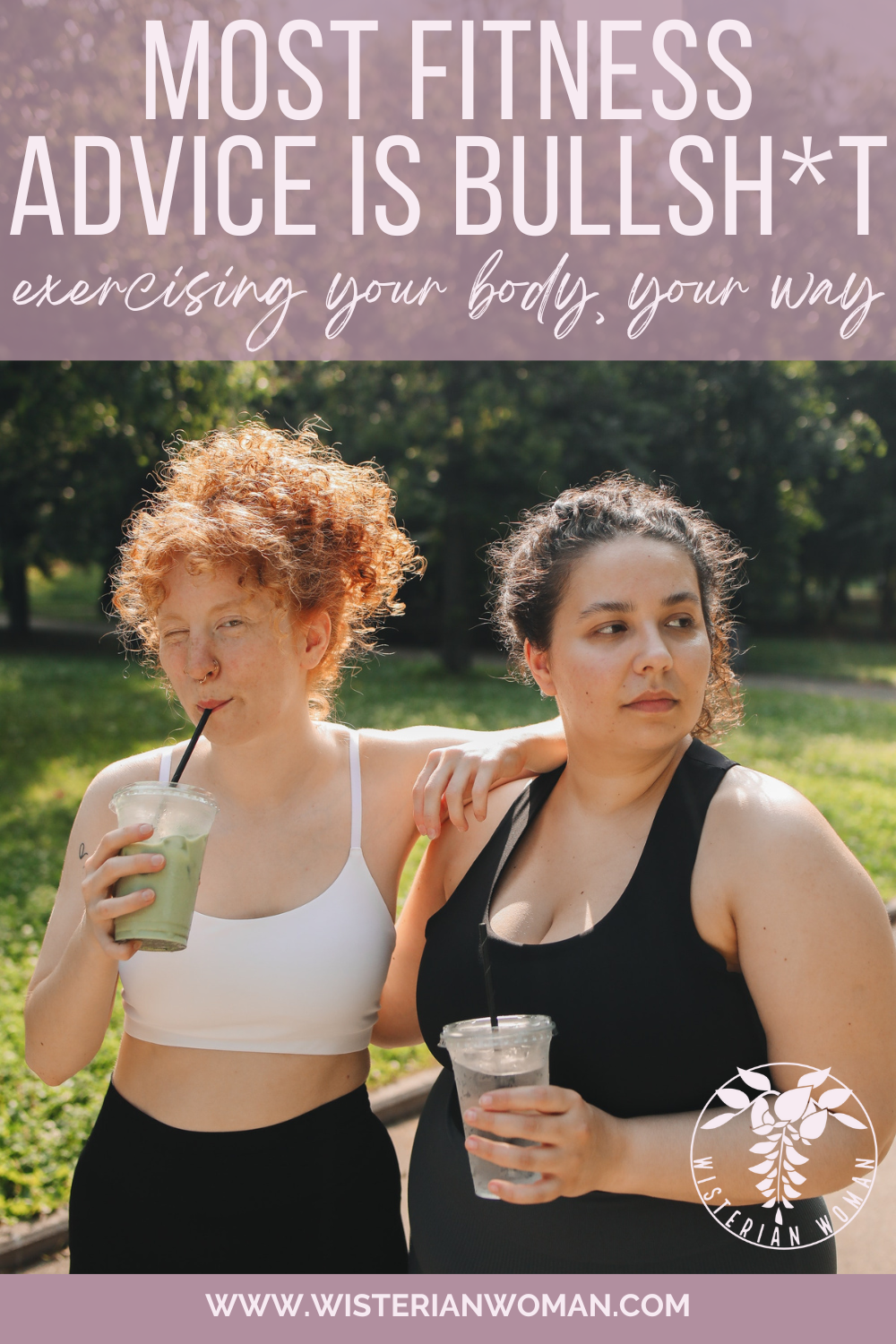
Are you tired of wading through the swamp of fitness misinformation? It’s time to clear the fog and embark on a journey that’s uniquely yours.
Fitness Fact or Fiction?
Are you one of the countless people who have embarked on a fitness journey, only to find themselves lost in a sea of contradictory advice, fad diets, and workout trends that promise quick fixes and easy solutions? Perhaps you’ve felt the frustration of seeing fitness transformations that seem almost unattainable, or you’ve questioned why what works for one person doesn’t seem to work for you. If so, you’re not alone.
In a world where Instagram influencers flaunt their six-pack abs, where headlines scream about the latest miracle exercise, and where diet gurus peddle their one-size-fits-all solutions, it’s easy to become overwhelmed and disillusioned. Fitness is vital, and its benefits for both physical and mental health are well-documented. Yet, navigating the fitness landscape has become akin to navigating an infinite maze of misinformation.
In this article, we’ll delve into the heart of a fitness industry that often falls short of its promises and uncover the reasons behind its failures. The central theme we’ll explore is the urgent need to dispel these myths and tailor fitness advice to individual needs. Your fitness journey should be just that—yours. It’s time to cut through the noise, understand the nuances, and find a path that works uniquely for you. I’ll do my absolute best to tell you the truth about fitness, where we separate fact from fiction and embrace personalized fitness as the ultimate destination.
Note: I am not a professional trainer, athlete, or fitness expert in any way. Just another confused, real woman trying to do the right things for my health and fitness and share what I’ve learned along the way with you.

The Impossible Problem
I grew up in the early 2000’s diet culture as a young girl. Low-rise jeans, SlimFast, The Biggest Loser and all. I’ve heard every form of “you’re just not doing the right things! If you just focus on cardio/strength/cutting carbs/eating more greens/eating less/counting calories/taking supplements/targeting areas/working all over/working out 25 hours per day/insert current fitness trend here, you’ll meet your goals!”
The truth is that everyone’s body is different and what works for a man doesn’t work for a woman. What worked for your mom/friend/cousin/sister won’t work for me. I do the exercises that I like and that build the muscles, strength, cardiovascular health and endurance that I need to live an active and healthy lifestyle. What my body looks like is secondary.
Our bodies have their own unique needs and responses. The confusion is real, with a million mixed messages bombarding us daily. It’s time we acknowledge this complexity. There are a million mixed messages getting thrown at me from every direction every day as a woman.
A Big Fat Skinny dilemma
As a young girl, I was very skinny. Double zero skinny. I was also food insecure – not always having a lunch at school or a hot meal waiting at home. Even though I was physically, emotionally, and mentally unhealthy and suffering, women everywhere praised my body. Literally everywhere. Random strangers at the mall, grocery store, my friends parents, my own family. “Wow, I wish I was skinny like you!” “You have such a cute figure!” “If only I could eat like you and look like you!” Unsolicited. This started as soon as I hit puberty. I was like, 12, and this continued throughout my whole adolescence, up until I started to attain a healthy, full figure. Almost every woman I know struggles with disordered eating of some kind.
I’ll admit it on my damn health and wellness blog – I’m currently considered a little overweight according to the misleading, overused measure of BMI. Even so, my body fat percentage is low when compared to other women at my height and weight, and my muscle mass is high. What this means? I may be a little squishy in some areas, but I’m also strong and undeniably healthy. Even so, that pesky little BMI number stares me down, on the scale, at the doctor’s: Overweight.
Side note: How do I know all of this? I weigh myself using this FitIndex Scale, which not only tells me the constantly fluctuating number that is my current weight, but also links to an app on my phone to give me key metrics like my body fat percentage, muscle mass, bone mass, and BMI.
So, what’s the solution to this impossible problem that so many of us face? It’s simple yet profound: Fight tooth and nail every day to not give a f*ck. Learn to spot a downright lie, drown out the bullsh*t, and focus on taking care of your body. In the coming sections, we’ll explore how to do just that. We’ll equip ourselves with the tools to decipher fitness myths from reality, learn to embrace our uniqueness, and ultimately, reclaim our fitness journey as our own.
Let’s dive in headfirst, because it’s time to rise above the noise and rediscover the true essence of fitness—personalized, empowering, and unapologetically ours.

How to Tell Facts From Bullsh*t
In a world where fitness misinformation is as common as a gym on New Year’s Day, it’s crucial to develop a keen sense for separating fact from bullsh*t. So, how do you navigate this minefield of well-intentioned yet often misguided advice? Here are some essential strategies:
- Be Skeptical of Quick Fixes: Beware of any fitness advice that promises rapid, unrealistic results. Whether it’s a diet plan, a supplement, or a workout program, quick fixes often lead to disappointment and are usually too good to be true. Real progress takes time and consistent effort.
- Scrutinize One-Size-Fits-All Solutions: Recognize that what works for one person may not work for you. Beware of fitness plans that claim to work for everyone. We all have unique bodies, lifestyles, and goals, so seek advice that acknowledges this diversity.
- Check the Source: Investigate the credentials and expertise of the individuals or organizations providing fitness advice. Qualified fitness professionals and reputable sources are more likely to offer evidence-based recommendations.
- Look for Scientific Backing: Reliable fitness advice is grounded in scientific research. Pay attention to studies, peer-reviewed articles, and evidence-based practices. Don’t hesitate to ask for sources when encountering dubious claims.
- Trust Your Body and Its Signals: Your body communicates with you in various ways. Pay attention to how you feel during and after workouts, as well as how your body responds to different diets. Your own experience can be a valuable guide.
- Consider Your Goals and Preferences: Fitness advice should align with your specific goals, whether they’re related to strength, endurance, weight loss, or overall health. Additionally, consider your personal preferences, such as the types of exercises you enjoy.
- Beware of Extreme Claims: If it sounds too extreme, it probably is. Beware of diets that severely restrict certain food groups or workouts that claim to “burn fat like magic.” Sustainable fitness plans are typically balanced and realistic.
- Consult Multiple Sources: Don’t rely solely on one source for your fitness information. Consult a variety of reputable sources, such as certified trainers, nutritionists, and well-established fitness publications, to get a well-rounded perspective.
- Keep an Open Mind: Be open to adjusting your fitness routine as you learn and grow. What works for you today might evolve over time, so stay receptive to new information and adapt accordingly.
- Prioritize Your Health Over Aesthetics: Remember that fitness should be about overall health and well-being, not just achieving a certain look. Avoid advice that excessively focuses on aesthetics to the detriment of your health.
In a world where fitness myths run rampant, arming yourself with critical thinking and a discerning eye is your best defense. By following these guidelines and staying true to your individual needs and goals, you can navigate the fitness landscape with confidence, leaving the bullsh*t behind and embracing a path that truly works for you.
Now that we’ve equipped ourselves with the tools to sift through the maze of fitness misinformation, it’s time to take charge of our fitness journey and learn how to drown out the bullsh*t.

How to Drown Out the Bullsh*t
When fitness fads, sensational headlines, misinformation, and dubious promises are constantly vying for your attention, it’s essential to develop a strong filter to drown out the bullsh*t. Here are practical strategies to help you stay focused on what truly matters in your fitness journey:
- Cultivate Self-Awareness: Begin by understanding your own body, its needs, and your fitness goals. Reflect on what truly motivates you and what you enjoy in terms of exercise and nutrition. This self-awareness will guide your choices and help you ignore irrelevant noise.
- Define Your Own Success: Success in fitness is not a one-size-fits-all concept. It’s essential to define what success means to you. Whether it’s feeling stronger, having more energy, or achieving specific performance goals, your definition of success should drive your fitness journey.
- Create a Reliable Information Hub: Curate a list of trustworthy sources for fitness information. This may include reputable fitness websites, books written by experts, certified trainers, or registered dietitians. Refer to these sources when seeking advice.
- Practice Media Literacy: Be critical of media messages, especially those that sensationalize fitness or promote extreme and unsustainable practices. Learn to differentiate between genuine content and clickbait.
- Embrace Individuality: Celebrate your unique journey and body. Avoid comparing yourself to others, especially the curated and often unrealistic images on social media. Remember that your path is your own, and it doesn’t have to conform to anyone else’s standards.
- Filter Your Social Media Feed: Assess your social media accounts and unfollow or mute individuals and accounts that consistently promote unrealistic ideals or harmful practices. Surround yourself with content that uplifts and inspires you in a healthy way.
- Trust the Process: Understand that fitness progress takes time, consistency, and patience. Avoid impatience and the temptation to jump from one trend to another. Stay committed to your chosen path.
- Find a Supportive Community: Connect with like-minded individuals who share your fitness goals and values. Join fitness groups, forums, or communities both online and offline. A supportive community can provide valuable guidance and encouragement.
- Record Your Progress: Document your fitness journey in a journal or digital app. Record your workouts, meals, and how you feel physically and mentally. This data can help you make informed decisions and track your progress accurately. I personally love my FitBit.
- Seek Professional Guidance: If you’re unsure about your fitness plan or have specific health concerns, consult with certified fitness trainers, nutritionists, or healthcare professionals. Their expertise can provide personalized guidance tailored to your needs.
Your ability to drown out the bullsh*t misinformation and stay true to your unique fitness path is a testament to your commitment to long-term health and well-being. Remember, the journey is just as important as the destination, and by focusing on what truly matters to you, you can achieve lasting success in your fitness endeavors.
Now that we’ve explored how to navigate the noisy fitness world and filter out the nonsense, let’s shift our focus to the empowering journey of taking care of your body in a way that aligns with your unique needs and preferences.

How to Take Care of Your Body, Your Way
The most empowering step you can take is to reclaim your body and fitness journey on your terms. It’s time to prioritize your health, well-being, and individuality above all else. Here’s how you can take care of your body in a way that truly reflects your unique needs and desires:
- Listen to Your Body: Your body is constantly communicating with you. Pay attention to its signals, whether it’s hunger, fatigue, soreness, or stress. Learn to differentiate between the needs of your body and the demands of external influences.
- Create a Sustainable Routine: Design a fitness routine that you genuinely enjoy and can maintain over the long term. Fitness should enhance your life, not dominate it. Whether it’s yoga, weightlifting, dance, or hiking, find activities that bring you joy.
- Focus on Nutrition, Not Diets: Shift your mindset away from restrictive diets and toward balanced, nourishing eating habits. Incorporate whole foods, prioritize fruits and vegetables, and practice portion control. Eating should be a source of nourishment, not punishment.
- Set Realistic Goals: Establish achievable, realistic fitness goals that align with your values and desires. These goals should be based on what you want to achieve for your well-being, not external pressure to conform to certain ideals.
- Understand Your Limits: Recognize that rest and recovery are essential components of any fitness journey. Pushing your body to its limits without adequate rest can lead to burnout and injury. Prioritize quality sleep and allow your body time to heal.
- Be Kind to Yourself: Practice self-compassion and self-acceptance. Embrace your body as it is at every stage of your journey. Negative self-talk and self-criticism have no place in a healthy approach to fitness.
- Set Your Own Pace: Avoid the comparison trap. Your progress is unique to you, and it’s not defined by someone else’s journey. Whether you’re making small or big strides, the key is to keep moving forward at your own pace.
- Seek Education, Not Perfection: Focus on learning and growing in your fitness journey rather than striving for perfection. Education empowers you to make informed choices that benefit your health.
- Embrace Flexibility: Be open to adapting your fitness and nutrition plans as your needs change over time. Life is full of twists and turns, and your approach to health and fitness should be adaptable.
- Celebrate Your Achievements: Acknowledge and celebrate your accomplishments, no matter how small they may seem. Each step forward is a victory on your unique journey.
Your body is your lifelong companion, and your fitness journey should be a reflection of your values and desires. By embracing a holistic approach to health and well-being that prioritizes self-care, self-acceptance, and individuality, you can take charge of your body in a way that serves you best. It’s time to embark on a path that celebrates your uniqueness and empowers you to live your healthiest, happiest life.

Reclaiming Your Fitness Journey
In a world filled with contradictions, misinformation, and quick fixes, where the path to fitness often seems elusive, it’s easy to feel lost and frustrated. The fitness industry and its influencers, with their barrage of miracle promises and one-size-fits-all solutions, can leave us disillusioned. However, we have to remember that fitness is not a one-size-fits-all journey.
This article has delved into the heart of a fitness industry that frequently falls short of its promises, emphasizing the urgent need to dispel myths and tailor fitness advice to individual needs. Your fitness journey should be uniquely yours, not dictated by the noise of the masses.
As someone who navigates these complexities every day, I understand the struggle firsthand. Growing up in a culture saturated with diet trends and unrealistic expectations, I learned the hard way that what works for one person doesn’t necessarily work for another. I’ve come to realize that every body is different, and the key to success lies in embracing our uniqueness.
Admittedly, I’ve grappled with body image issues and societal pressures related to my weight and appearance. Yet, I’ve come to understand that my value isn’t determined by a number on a scale or a misleading BMI measurement. What truly matters is my overall health, strength, and well-being.
So, what’s the solution to this seemingly impossible problem? It’s simple yet profound: Fight tooth and nail every day to not give a f*ck. Learn to spot downright lies, drown out the bullsh*t, and focus on taking care of your body.
Throughout this article, we’ve explored strategies for separating fact from fiction in the fitness world, learning to trust our bodies, and crafting our unique fitness paths. Now, armed with the tools to navigate the maze and filter out the noise, it’s time to take the reins of your fitness journey.
By embracing your individuality, focusing on self-care, and setting your own definition of success, you can reclaim your fitness journey on your terms. Remember, the journey itself is a significant part of the destination, and it’s a journey that should empower, inspire, and celebrate your uniqueness.
It’s time to rise above the noise, rediscover the true essence of fitness, and embark on a path that’s personalized, empowering, and unapologetically yours. Let’s dive in headfirst and make this fitness journey an authentic reflection of who you are and what you value. Your body, your way – it’s the most empowering choice you can make in your pursuit of lasting health and happiness.

more like this






Leave a Reply